
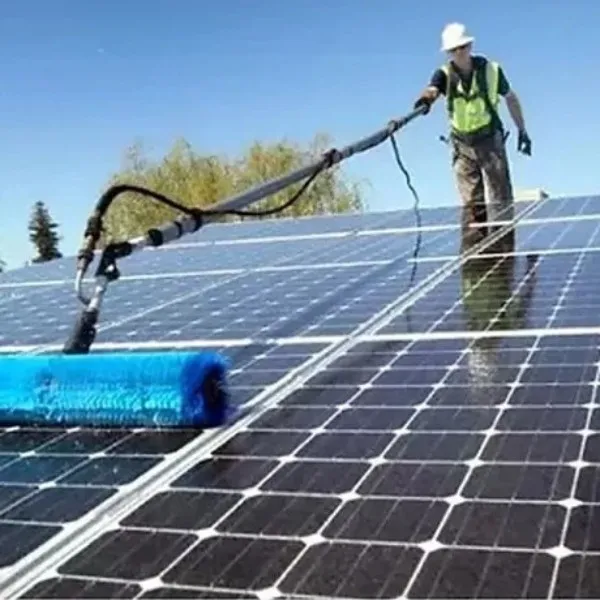
If you’re searching for solar panel cleaning services in Nagpur, you’re probably dealing with one (or more) of these real-world issues: reduced power output, visible dust accumulation, bird droppings, or seasonal residue from storms. In a city like Nagpur—where dry spells, construction dust, and monsoon weather can all affect solar generation—cleaning isn’t just about appearance. It directly impacts efficiency and energy yield.
This guide explains when to clean, what cleaning involves, cost drivers, and how to choose a service—so you can make better decisions for your system.
---
Why Solar Panels Need Cleaning in Nagpur
Solar panels generate electricity by converting sunlight into DC power through photovoltaic cells. While panels are designed to handle outdoor exposure, several natural and human-made factors can reduce how much usable light reaches the cells.
Common reasons panels lose efficiency
- Dust & particulate build-up: Fine soil, dust from roads, and nearby industrial activity can form a thin film that blocks sunlight.
- Bird droppings & organic residue: Droppings create hot spots and can leave stains that reduce transmission.
- Leaves, pollen, and debris: Organic matter can trap moisture and encourage grime.
- Hard water marks and mineral deposits: If water quality is poor, cleaning can leave residue that dulls performance.
- Monsoon fallout: Rain may wash some dirt off, but it often leaves streaks and mineral deposits behind.
What “dirty panels” can do to your output
Performance drops don’t always look dramatic day-to-day, but over weeks, it can mean:
- lower daily energy generation,
- slower recovery after rainfall,
- higher system strain if more panels are needed to meet the same demand.
---
How Often Should You Clean Solar Panels?
There’s no single rule for every household or commercial rooftop. Cleaning frequency depends on local conditions and panel tilt.
Typical cleaning cadence (guideline)
- Every 3–4 months: Often sufficient for low-dust residential setups.
- Every 6–8 weeks: Recommended if you’re in areas with more construction dust, nearby roads, or industrial activity.
- After major events: Clean soon after dust storms, heavy bird activity, or long dry periods.
Signs you may need cleaning sooner
- Noticeable reduction in daily generation compared to recent baseline.
- Visible film or spotting on the glass surface.
- Water no longer “sheets” smoothly after rain (indicating residue).
> Tip: Many solar owners track energy production in the inverter/app. A consistent dip during clear weather can be a clue that dirt is affecting output.
---
DIY vs Professional Solar Panel Cleaning: What Matters Most
Cleaning seems straightforward—rinse, scrub lightly, rinse again. But solar glass is delicate, and mistakes can lead to long-term problems.
Risks of DIY cleaning
- Scratching the panel surface (using rough brushes or improper tools)
- Using harsh chemicals that can damage coatings
- High-pressure water that can force water into junction boxes or seals
- Working unsafely on rooftops (a major concern, especially for multi-story buildings)
What professionals typically handle better
- Correct method selection based on contamination type
- Safe access systems and rooftop safety practices
- Proper water management to avoid streaking
- Tools designed to reduce micro-scratches
If you’re evaluating local solar panel cleaning services in Nagpur, ask about their process and safety approach—not just their availability.
---
Step-by-Step: How Solar Panels Should Be Cleaned
A responsible cleaning process is usually more than “washing.” Here’s what a good cleaning typically includes:
1) Pre-check and observation
- Visual inspection for bird droppings, stains, or heavy grime
- Confirming panel condition and any existing damage
2) Surface rinsing (gentle)
- First rinse helps remove loose dust without rubbing it across the surface.
3) Targeted cleaning
- Mild, panel-safe methods to loosen residue
- Light agitation only if needed (to avoid scratches)
4) Final rinse and drying control
- Rinse thoroughly to prevent mineral marks
- Drying approach depends on water quality and local conditions
5) Quick performance sanity check
- For larger systems, teams may verify key operational parameters after cleaning
---
Best Time to Clean Solar Panels
Timing affects cleaning results and panel safety.
Recommended timing
- Early morning or late afternoon
- When panels are cool and water drying is slower (reducing streaks)
Avoid
- Midday cleaning during hot conditions (risk of thermal shock and quicker residue drying)
---
What Cleaning Cost Depends On
Pricing varies by rooftop size, panel condition, and access complexity. When comparing service quotes, consider these cost drivers:
- Number of panels / total system size
- Rooftop height and accessibility
- Degree of dirt build-up (light dust vs stubborn stains)
- Water arrangement (availability of clean water or need for special setup)
- Whether they include de-staining or bird-dropping treatment
- Frequency (one-time vs annual plan)
If someone offers an “ultra-low” price, verify what’s included—because poor cleaning often leads to poor results (and you end up redoing the job).
---
Common Myths About Solar Panel Cleaning
Myth 1: “Rain cleans everything.”
Rain helps, but it often leaves behind streaks and mineral residue, especially in areas with dust and hard-water deposits.
Myth 2: “Any detergent is fine.”
Detergents may reduce grime short-term, but some can harm coatings or leave a film that reduces light transmission.
Myth 3: “High-pressure water is best.”
High pressure can damage seals, force water into wiring points, or cause micro-cracks over time.
---
Choosing a Solar Panel Cleaning Service in Nagpur (Checklist)
Use this checklist when shortlisting providers:
- Do they explain their cleaning method clearly?
- Do they mention safe rooftop practices?
- Do they ask about your system type (residential vs commercial scale)?
- Do they address water quality and streak prevention?
- Do they offer guidance on recommended frequency for your area?
If you’re working with an installation team or facility manager, align the cleaning schedule with your monitoring data so cleaning improves performance—not just aesthetics.
---
When Solar Cleaning Becomes Part of a Larger Maintenance Plan
Cleaning is important, but it’s not the only factor affecting energy output. Consider broader maintenance if you notice:
- persistent drop even after cleaning,
- inverter alerts,
- shading issues from new tree growth,
- physical wear or cracked panels.
Many facilities integrate panel cleaning with seasonal preventive maintenance—especially for commercial and infrastructure projects.
---
Quick Takeaways
- In Nagpur, solar panels typically benefit from cleaning every 3–4 months, and sometimes every 6–8 weeks in dusty or high-exposure areas.
- Avoid DIY shortcuts that cause scratches, chemical residue, or unsafe handling.
- Choose a service based on process quality, safety, water handling, and contamination type.
- Track inverter/app generation trends—cleaning should restore output, not just remove visible dirt.
---
If you manage a residential rooftop or a larger commercial installation and want, tell me:
1) your approximate system size (e.g., 3 kW / 10 kW / rooftop count),
2) whether panels are tilted or flat-roof mounted, and
3) how often you’re currently seeing dust buildup,
…and I’ll suggest a practical cleaning schedule and what to ask for in quotes.
Keywords